
May 29, 2026
Members of the Coalition to Prevent Chemical Disasters issued the following statement:
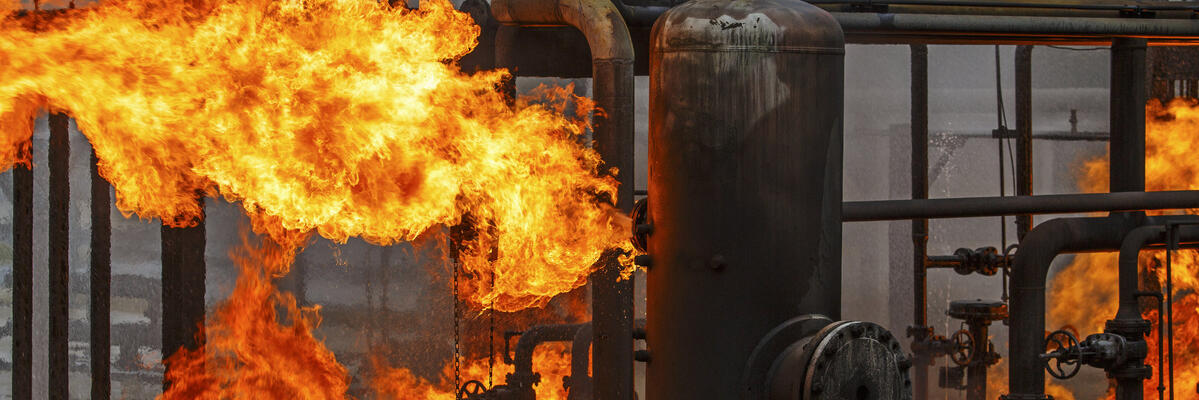
“The fatal and shocking incidents communities have faced in recent days demonstrate the urgent need to implement and build on existing regulatory safeguards so communities near chemical facilities are protected from chemical disasters. But, instead of protecting workers and families from death, injury, and illness, Trump’s EPA is putting communities at greater risk of harm by weakening the nation’s primary defense against chemical facility incidents. The Risk Management Program (RMP) protects against catastrophic industrial chemical releases, fires, and explosions through preventative safety measures. The Trump administration is attempting to weaken this rule. Every chemical incident, every life lost, and every evacuation is one too many. Each chemical emergency makes clear the need to strengthen, not dismantle, protections against chemical disasters before more workers, families, and communities are harmed.”
Background:
- Over 177 million Americans live in worst-case scenario zones near chemical facilities, and over 760,000 people have already faced evacuation or shelter-in-place orders due to chemical releases and disasters in recent years, before the events of this past week. Recent incidents in Washington and California are the latest examples of chemical emergencies and disasters that have been reported to EPA like clockwork, on average every other day, since 2004. Toxic chemical exposure can be particularly harmful for children and during early developmental stages, though EPA has tried to write off those impacts in its proposed rule.
- During the early morning of May 26, a fatal chemical tank implosion at a paper mill in Longview, Washington, caused multiple deaths. Nine workers are tragically still unaccounted for. There are no words for the loss that workers, their families, and community members are facing, as emergency response and recovery operations continue. It will be important to have a full and independent investigation of the incident.
- Nearly 50,000 people were evacuated from their homes starting Friday, May 22, 2026, due to the high risk of a chemical tank explosion in Garden Grove, California. Evacuation orders were not lifted completely until Tuesday, May 26, and families spent Memorial Day weekend in tents, cars, hotels and emergency shelters. The facility that operates the chemical tank, GKN Aerospace, is subject to a General Duty Clause under the Clean Air Act to maintain a safe facility. But many reactive and toxic chemicals, including ammonium nitrate and the chemical methyl methacrylate – which triggered emergency evacuations in Orange County – are not regulated by the Risk Management Program, as they should be. In 2022 and 2024, EPA acknowledged the need to review the list of RMP-regulated substances, and potentially expand it. The U.S. Chemical Safety Board has repeatedly recommended that EPA strengthen the RMP rules and expand their coverage.
- In 2024, EPA finalized the RMP rule with vital new safeguards that would help prevent industrial chemical disasters, death, injury, and other harm to communities if fully implemented starting in spring 2027. The Trump Administration has consistently attempted to delay, weaken and eliminate chemical disaster prevention measures. Now, rather than ensure the over 11,500 chemical facilities covered by the program have to comply with vital safety measures and rather than expand the program to include more chemicals and protect more communities, Trump’s EPA has proposed eliminating key protections from the RMP that will put communities, workers and first responders at greater risk.
- State attorneys general, members of Congress, the Coalition to Prevent Chemical Disasters, community, health and environmental groups, and worker organizations and labor unions, including the AFL-CIO, United Steelworkers, United Autoworkers, and National Education Association, among other commenters, have opposed EPA’s 2026 proposed rollback of safety measures.
- The Trump Administration is also attempting to defund the Chemical Safety Board, the only independent federal agency that deploys to some of the most serious chemical incidents, investigates their root causes, and issues recommendations to prevent them. The CSB currently has 8 open investigations and just this week it deployed to investigate the Longview, Washington incident and released a report on a fatal explosion in Louisville, Kentucky in 2024.
Center for Environmental Health, Coming Clean, The Environmental Justice Health Alliance for Chemical Policy Reform, Earthjustice, Texas Environmental Justice Advocacy Services, Union of Concerned Scientists, United Steelworkers International Union (USW).
